
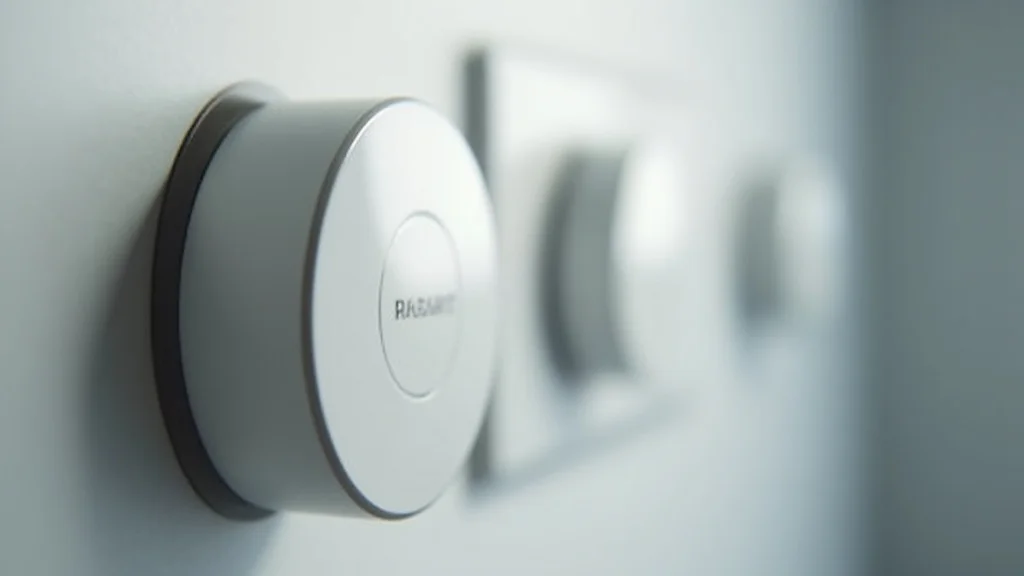
Protecting Your Home: Exploring Water Leak Detector Sensors
Imagine waking up to the sound of rushing water, only to discover a burst pipe has flooded your kitchen. It’s a homeowner’s worst nightmare! Fortunately, water leak detector sensors can help prevent such disasters. These clever devices provide early warnings, allowing you to address problems before they cause extensive damage. This post will explore the ins and outs of water leak detector sensors, from how they work to where to place them, ensuring you gain valuable knowledge to protect your property and finances.
Key Takeaways
- Learn the different types of water leak detector sensors and how they function.
- Discover the key factors to consider when choosing a water leak sensor.
- Understand the best locations in your home to install these sensors.
- Explore the various features and functionalities offered by modern sensors.
- Find out how to interpret alerts and take appropriate action when a leak is detected.
- Get tips on maintaining and troubleshooting your water leak detection system.
The Basics of Water Leak Detector Sensors
Water leak detector sensors are designed to detect the presence of water in areas where leaks are common. These small, often battery-powered devices are a proactive measure to prevent costly water damage. They alert you to potential issues quickly, saving you from expensive repairs and headaches. Modern sensors are increasingly sophisticated, often connecting to your home’s Wi-Fi network and sending alerts directly to your smartphone.
How Water Leak Detector Sensors Work
The core function of a water leak detector sensor relies on simple principles of electrical conductivity. Most sensors have two small probes that are exposed. When water bridges the gap between these probes, it completes a circuit, triggering an alarm. The alert mechanism can vary depending on the device, ranging from a loud audible beep to a notification sent to your phone. Sophisticated sensors often integrate with your home automation system, shutting off water supply valves automatically.
- Conductivity-Based Sensors: These sensors use two electrodes that complete a circuit when water is present. The most common type, they’re simple and reliable.
- Hydrostatic Sensors: These sensors use pressure changes to detect leaks, often used in more specialized applications.
- Float Sensors: These sensors use a floating mechanism to detect water level increases.
Conductivity-based sensors are straightforward. They function by having two metal probes that are slightly separated. When water comes into contact with these probes, it creates a conductive path, completing an electrical circuit. This triggers the sensor to send an alert. These sensors are easy to set up and are generally more cost-effective. They work well in many scenarios and are sensitive enough to detect even small amounts of water. They’re a practical first line of defense against water damage.
Unlike conductivity sensors, hydrostatic sensors use changes in water pressure to determine a leak. They are commonly used in areas that are not easily accessible or where conductivity-based sensors are less suitable. These types are particularly useful for detecting leaks within pipes, often inside walls or other enclosed spaces. If the pressure drops suddenly, the sensor will alert you to a potential issue. Hydrostatic sensors are more complex than conductivity models but provide valuable early detection in harder-to-reach locations.
Float sensors operate on the principle of buoyancy. They have a floating component that rises with the water level. The rising float triggers an alarm when it hits a certain point, signaling an overflow or leak. They’re usually deployed in basements or areas where rising water could be an issue, such as near sump pumps or in areas that have a history of flooding. Float sensors are good at detecting substantial water accumulation, and they are typically very reliable.
Key Components and Features
While the basic function remains the same, water leak detectors have several components and features that enhance their functionality. Modern sensors often include wireless connectivity, allowing them to communicate with a central hub or directly with your smartphone. These features provide real-time updates and allow remote monitoring.
- Wireless Connectivity: Sensors with Wi-Fi or Bluetooth can send alerts to your smartphone or integrate with a home automation system.
- Battery Life: The duration the sensor can operate before needing a battery change is a major factor.
- Alert Mechanisms: Audible alarms, visual indicators, and smartphone notifications are common.
Wireless connectivity significantly improves the usability of water leak detectors. Devices with Wi-Fi can send instant alerts to your smartphone or tablet, no matter where you are. This allows you to respond quickly to potential leaks. Bluetooth-enabled sensors also provide wireless communication, though typically over a shorter range. These features let you monitor your home remotely, offering peace of mind. Wireless connectivity makes installation and maintenance much simpler.
The longevity of a water leak detector’s battery is a significant consideration. Longer battery life reduces the frequency of replacements and the risk of the sensor failing during an emergency. Battery life can vary from a few months to several years, depending on the model and usage. When selecting a sensor, consider the battery type, as some require specialized batteries, which can be an added expense. Always check the battery level regularly to ensure the sensor functions correctly.
Water leak detectors provide alerts through different methods. An audible alarm provides an immediate warning in the home, which is helpful if you’re nearby. Visual indicators, like flashing lights, can also alert you to a leak. For remote monitoring, smartphone notifications are essential. These notifications let you know about a leak, regardless of your location. Make sure the sensor has multiple alert options to maximize the chances of immediate and effective notification.
Choosing the Right Water Leak Detector Sensor
Picking the correct water leak detector sensor involves considering several factors to ensure it meets your specific requirements. The sensor’s placement in your home, the features it provides, and the reliability of its alerts all contribute to its effectiveness. A thoughtful approach when choosing your detector will help you make a selection that protects your home and family.
Factors to Consider
When selecting a water leak detector sensor, several considerations will help you make the best choice. These factors influence how well the sensor fits your needs and how effectively it protects your home. Thinking carefully about each aspect ensures you select a device that’s both appropriate and effective.
- Coverage Area: Determine the areas you want to protect and choose sensors accordingly.
- Ease of Installation: Look for sensors that are easy to install and set up, especially if you plan to install them yourself.
- Connectivity Options: Evaluate the sensor’s connectivity to see if it integrates with your existing smart home setup.
- Water Shutoff Capabilities: Some sensors can automatically shut off your water supply when a leak is detected.
- Remote Monitoring: The ability to receive alerts and monitor sensor status from anywhere is crucial.
- Temperature and Humidity Monitoring: Some sensors also track temperature and humidity, providing insights into environmental conditions.
- Under Sinks: Kitchen and bathroom sinks are prone to leaks from pipes, faucets, and drain lines.
- Near Water Heaters: Water heaters can burst or leak over time, causing significant damage.
- In Basements and Crawl Spaces: These areas are prone to flooding and leaks from pipes and appliances.
- Near Washing Machines and Dishwashers: These appliances are common sources of leaks due to hoses and connections.
- Around Toilets: Toilets can develop leaks at the base or from supply lines.
- In Attics: Attics can be susceptible to leaks from damaged roofs or burst pipes during winter.
- Battery Replacement: Check and replace batteries regularly, as indicated by the sensor.
- Sensor Cleaning: Clean the sensors to ensure that the probes remain clear and functional.
- Testing the Sensors: Test the sensors to make sure they are working correctly, using manufacturer guidelines.
- Sensor Not Detecting Water: Check the sensor placement, probes, and power supply.
- False Alarms: Identify and address the cause of false alarms.
- Connectivity Problems: Troubleshoot Wi-Fi or Bluetooth connectivity issues.
Understanding the area you want to protect is important. Consider where water damage is most likely to occur, such as bathrooms, kitchens, laundry rooms, and basements. For large homes or multiple risk areas, you might need several sensors. Evaluate the square footage of each area to determine how many sensors are required. By evaluating your coverage requirements, you can build a comprehensive system that protects your entire home.
Easy installation is a major advantage. Choose sensors that don’t need complicated wiring or professional help. Many models have straightforward setup instructions and are ready to use quickly. Look for sensors that connect to your Wi-Fi network easily, with clear steps for pairing them with your smartphone or smart home system. Simplified setup saves time, avoids frustration, and lets you quickly start protecting your home.
Connectivity options are important for getting the most from your sensors. Does the sensor connect to your home’s Wi-Fi network, allowing for remote monitoring and alerts? If you have other smart home devices, see if the sensor works with your hub. These integration capabilities let you manage your water leak detection system seamlessly with your other devices. Compatibility gives you a system that is fully integrated into your home environment.
Features to Look For
Different sensors offer a range of features to improve their performance and make it more user-friendly. Knowing what features are available will help you select a device that fulfills your needs. From simple notifications to complex automation, these features contribute to effective water leak protection.
A water shutoff function is a feature that takes protection to the next level. When the sensor detects a leak, it can automatically shut off your water main, minimizing water damage immediately. This feature is particularly useful when you’re away from home. You may need professional installation for this feature. It provides an extra layer of protection by stopping the water flow as soon as possible.
Remote monitoring is a key feature in modern sensors. It lets you check the status of your water leak detectors from your phone, wherever you are. This feature ensures you’re aware of any problems, even when you’re not at home. Real-time alerts also allow you to respond quickly and prevent damage. With remote monitoring, you’re always connected, offering peace of mind.
Temperature and humidity monitoring adds a layer of intelligence to your water leak detection system. These additional sensors can provide insight into other potential issues, such as frozen pipes. Changes in these conditions can be signs of potential problems that can be addressed before they lead to water damage. These extra metrics are helpful for maintaining a healthy and protected home environment.
Best Locations for Water Leak Detector Sensors
Strategic placement is essential to get the most from your water leak detector sensors. Putting the sensors in the right locations will allow you to quickly identify and address leaks. Consider areas most vulnerable to water damage, such as locations that have potential water sources or are prone to leaks.
High-Risk Areas
Certain locations in your home have a higher risk of water leaks. These areas are logical places to position your sensors. Paying attention to these locations will enhance the effectiveness of your water leak protection system. Consider placing sensors in the following areas to catch leaks quickly.
Placing a sensor under your kitchen and bathroom sinks is a good idea. Leaks can easily occur here due to aging pipes, loose connections, or problems with faucets. A sensor here will identify water the moment it begins to leak, before it causes damage to cabinetry or flooring. This placement is easy to implement and provides a good level of protection.
Water heaters are common sources of leaks. Installing a sensor near your water heater allows early detection of potential leaks before they turn into major flooding incidents. Water heaters are usually in basements, attics, or utility closets. A sensor will quickly alert you if the tank develops a leak or fails, helping you prevent significant damage.
Basements and crawl spaces are especially prone to water damage. Pipes, appliances, and potential flooding from outside sources make these areas high-risk. Positioning sensors in these spaces will provide an alert to any standing water. This early detection can help prevent mold growth and significant structural damage. These locations are essential to a comprehensive system.
Other Important Locations
In addition to the primary high-risk areas, other places can benefit from sensors. These locations can provide early warnings and comprehensive protection. Consider these areas when designing your protection strategy, to ensure your system offers complete coverage.
Washing machines and dishwashers have connections that can develop leaks. Hoses can rupture, and seals can fail. Putting a sensor near these appliances is useful. The sensor can detect any leaks before they lead to water damage, which will help avoid costly repairs. Early detection is key to preventing water damage from these frequently used appliances.
Toilets are another area where leaks can occur. Issues such as a cracked toilet base or a faulty supply line can cause water damage. A sensor placed near your toilet can identify leaks quickly. It will give you an early warning of any water leaks, helping to prevent damage and costly repairs. These sensors can be invaluable in these high-traffic locations.
Attics are sometimes overlooked, but they can be vulnerable to water damage. Leaks from roofs, or burst pipes due to freezing temperatures, can cause significant problems. Sensors in the attic can detect these issues. This early detection is key to preventing water damage from these hidden sources. This is a crucial area in your system.
Maintaining and Troubleshooting Water Leak Detector Sensors
Keeping your water leak detector sensors working properly requires regular maintenance and troubleshooting. Understanding how to care for your system and the steps to take when issues arise will help ensure its reliability. Routine care guarantees your sensors offer the best possible protection, while being able to identify problems keeps your system effective.
Routine Maintenance
Regular maintenance ensures that your sensors stay functional and effective. Regular maintenance includes routine checks and easy procedures to keep your system working correctly. Making these checks a habit will keep your protection system working efficiently.
Battery maintenance is a key part of your system. Review the manufacturer’s recommendations for battery replacement frequency and schedule reminders. Check the battery levels regularly. Replacing batteries promptly guarantees that your sensors work at all times. This simple step keeps your system functional, ready to respond to water leaks.
Keep your sensors clean to ensure they function correctly. Dust and debris can impact the sensor’s function. Regularly cleaning the probes and the sensor casing will help. You can wipe the sensors with a dry cloth. Make this part of your regular maintenance routine. Regular cleaning guarantees that the sensors detect water efficiently, providing correct alerts.
Testing your sensors is important for confirming they are operational. Follow the manufacturer’s instructions to test your sensors. Many sensors have a test function or require a simple test to simulate a leak. Testing allows you to ensure the system is operational and the alerts are functioning as expected. It ensures the system is ready to protect your home. It’s a useful step in your maintenance routine.
Troubleshooting Common Issues
Even with regular maintenance, issues can still arise. Knowing how to handle these issues will let you resolve any issues quickly. Knowing these troubleshooting steps helps resolve problems and keeps your system working well.
If your sensor does not detect water, first check its placement. Make sure the sensor is positioned correctly and that the probes are in the right position. Make sure the sensor has power. Check the battery life or the power connection. Clean the probes to ensure they are free of debris. If the sensor still does not work, it might need to be replaced. Proper troubleshooting will have the sensor detecting water promptly.
False alarms can be caused by various issues, from environmental factors to sensor problems. If you experience false alarms, consider possible causes. Check if humidity or condensation is affecting the sensors. Ensure the sensors are properly positioned. If false alarms continue, the sensor might be malfunctioning and require replacement. Accurate troubleshooting prevents alarm fatigue and ensures the system functions correctly.
Connectivity issues can affect wireless sensors. If the sensor can’t connect, first check your home’s Wi-Fi. Ensure the sensor is within range of your Wi-Fi router. Try restarting the sensor and the router. If you’re still having issues, consult the manufacturer’s guidance for connectivity troubleshooting. Addressing connectivity problems is crucial for remote monitoring, enabling you to receive alerts wherever you are.
Common Myths Debunked
Frequently Asked Questions
Question: Are water leak detector sensors difficult to install?
Answer: No, most water leak detector sensors are easy to install, often requiring no tools and simple setup procedures.
Question: How often should I replace the batteries in my water leak detector sensors?
Answer: Battery life varies, but most sensors will alert you when the batteries are low, so you can replace them. Check the manufacturer’s instructions for the specific device.
Question: Can water leak detector sensors be used outdoors?
Answer: Not generally. Most are designed for indoor use. They may not withstand weather elements.
Question: What happens if a water leak is detected when I am away from home?
Answer: If you have a sensor with remote monitoring, you’ll receive a notification on your smartphone, enabling you to contact someone to check the property.
Question: How do I test my water leak detector sensor to make sure it’s working?
Answer: Most sensors have a test function; consult the user manual for how to properly test the device.
Final Thoughts
Water leak detector sensors provide a valuable defense against the costly consequences of water damage, and knowing the ins and outs is crucial. These devices offer early warnings and help you quickly identify and address leaks. From choosing the correct sensor to strategically placing it, taking proactive steps can safeguard your property and bring you peace of mind. By regularly checking your sensors, you’ll be able to ensure they are operating correctly. With this information, you’re better prepared to protect your home from water damage. Consider installing a system to begin protecting your home today!