
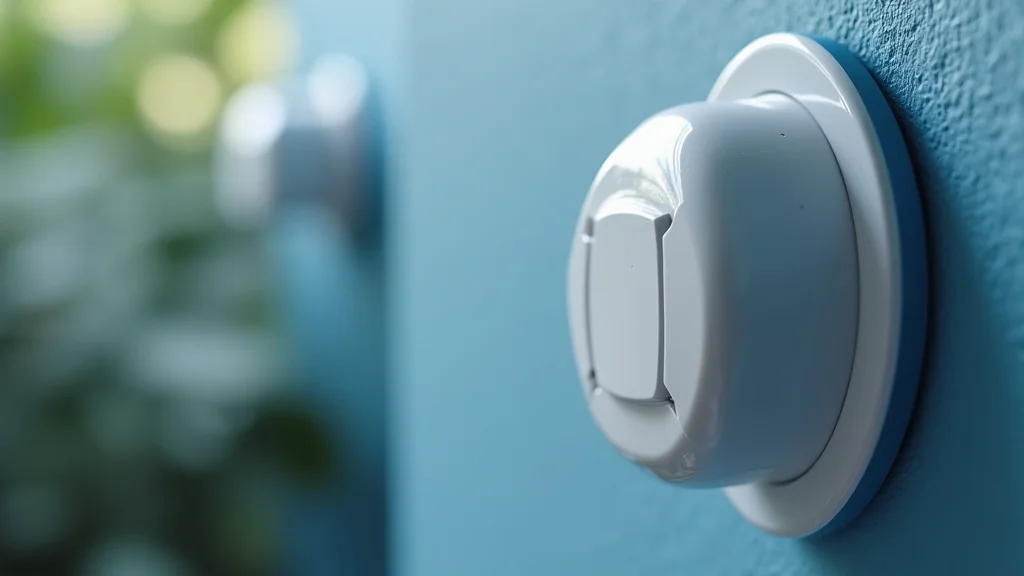
Water Leak Detector Sensors: Protecting Your Property Seamlessly
Imagine waking up to a flooded basement, the result of a hidden water leak. The damage, the cleanup, the insurance claims—it’s a homeowner’s worst nightmare. Thankfully, technology offers a solution: the water leak detector sensor. This blog post explores how these devices work, the different types available, and why they’re essential for protecting your home or business. You will learn how to identify potential threats and implement preventative measures. By the end of this article, you will be equipped to select the right water leak detector sensor for your needs, saving you money, time, and stress. This will help you protect your investment, mitigate potential damage, and give you peace of mind.
Key Takeaways
- Understand the various types of water leak detector sensors and their applications.
- Learn how water leak detector sensors work and their essential components.
- Discover the benefits of using these devices in different settings.
- Explore the key factors to consider when choosing a water leak detector sensor.
- Find out how to install, maintain, and troubleshoot your water leak detector sensor.
- Gain knowledge of how water leak detector sensors help to prevent costly property damage.
Understanding Water Leak Detector Sensors
Water damage can occur in various places, from a burst pipe in your basement to a leaking appliance in your kitchen. Detecting these leaks early is vital to prevent significant damage and costly repairs. A water leak detector sensor serves as an early warning system. These sensors detect the presence of water in areas where it shouldn’t be and alert you before a small leak becomes a major problem. They are engineered to be sensitive and responsive, offering peace of mind to homeowners and business owners alike. The market offers a wide variety of these devices, each with unique features and applications. Choosing the appropriate sensor depends on your specific needs, the area to be protected, and the level of monitoring required.
Types of Water Leak Detector Sensors
The market provides various water leak detector sensors, each engineered for distinct applications and environments. Knowing the various options available helps homeowners and business owners choose the best solution for their requirements. Different types offer different detection methods, communication protocols, and installation methods. Understanding these differences allows for effective protection against water damage. Some of the most common types include spot sensors, cable sensors, and smart sensors. Each has unique features and is suited to different situations.
- Spot Sensors: These sensors are the most basic and typically the most affordable. They are designed to detect water at a single point. When water makes contact with the sensor’s probes, it triggers an alarm. They are simple to install and ideal for use under sinks, near water heaters, or in areas where a leak is likely. Spot sensors usually operate on batteries and may provide a local audible alarm or send a notification to a paired device. They are a cost-effective option for basic water leak detection.
- Cable Sensors: Cable sensors provide broader protection than spot sensors. They consist of a long, flexible cable that can be placed along walls, floors, or around potential leak points. The cable detects water along its entire length, providing greater coverage. When the cable comes into contact with water, it triggers an alarm. Cable sensors are suitable for larger areas, such as basements, crawl spaces, or rooms with multiple water sources.
- Smart Sensors: Smart sensors integrate with home automation systems and offer advanced features. They connect to a Wi-Fi network and send alerts to your smartphone or other devices. They also may include features like temperature and humidity monitoring, leak location, and the ability to shut off the water supply automatically. These sensors offer the highest level of protection and convenience. They allow you to receive alerts remotely and take action immediately, even when away from your property.
- Water Shut-off Sensors: Water shut-off sensors are designed to automatically shut off your water supply when a leak is detected. These devices work in conjunction with the other types of sensors to prevent severe water damage. When the water leak sensor detects water, it sends a signal to a motorized valve, which quickly closes the water supply. This can prevent a minor leak from turning into a flood.
Spot sensors are typically compact and easy to place. They are ideal for tight spaces and areas where you want to detect water at a specific point. For example, placing a spot sensor under a washing machine or dishwasher can provide an early warning of leaks. These sensors are a great starting point for homeowners wanting to protect against water damage. However, the limitation of this sensor type is that it only detects water at a single location.
Cable sensors are especially useful in rooms that have multiple potential leak points or when it’s difficult to predict where a leak might originate. Because they can be routed around pipes, along walls, and beneath appliances, they provide comprehensive coverage. This type of sensor is a proactive solution for businesses and homes. For instance, in an office building, you could run cable sensors beneath the server room to detect potential water damage from leaks. The downside to cable sensors is that they are generally more expensive and require more complex installation than spot sensors.
Smart sensors combine the functionality of various sensors and integrate them into a comprehensive system. They monitor potential water damage but may also provide insights into environmental conditions. They are also integrated with water shut-off valves. This provides the functionality of preventing catastrophic damage by immediately shutting off the water supply. These sensors offer the greatest level of control and peace of mind. While they tend to be the most expensive option, the value of the protection and convenience they provide can justify the cost. Smart sensors are typically battery operated and have a longer battery life compared to other types.
The main advantage of these sensors is their ability to actively prevent damage. They provide an automated response. Water shut-off sensors often integrate with smart home systems, allowing for remote control and monitoring. This proactive approach significantly reduces the potential for costly repairs and minimizes damage. Installation might require some plumbing modifications. However, the peace of mind offered by these sensors makes them a smart investment for any property owner.
Key Components of a Water Leak Detector Sensor
Every water leak detector sensor, regardless of the type, shares common components. Understanding these parts provides a better view of how these devices function. From sensing the water to alerting the user, the integration of these components ensures efficient and reliable operation. This understanding helps you troubleshoot any issues that arise. It is also useful in choosing the ideal sensor. Key components include the sensing element, the alert system, and the power source.
- Sensing Element: The sensing element is the part of the sensor that detects the presence of water. This can be as simple as two exposed metal probes that create a circuit when water bridges the gap. For cable sensors, the sensing element is the entire cable. Advanced sensors use various technologies to detect water, from conductive probes to optical sensors that change color in the presence of water.
- Alert System: Once the sensing element detects water, the alert system activates to notify the user. Alert systems can be simple, like a loud audible alarm, or more complex, such as sending a notification to a smartphone via Wi-Fi. Many modern sensors also send alerts via text messages or email.
- Power Source: Water leak detector sensors can operate on different power sources, including batteries, AC power, or a combination of both. Battery-powered sensors are popular because of their ease of installation and placement flexibility. AC-powered sensors offer the benefit of continuous operation without the need to replace batteries.
The sensing element is usually positioned in the area where water leaks are likely. When water touches the sensing element, a circuit is completed or an electrical property changes. This triggers the alarm system. The type of sensing element used affects the sensor’s sensitivity and the types of leaks it can detect. Regular checks and maintenance of the sensing element are required to guarantee it functions as intended.
The alert system’s design is critical for timely notification and response. The alert system’s design must be appropriate for its application. For example, in a noisy industrial setting, a flashing light or a very loud siren might be necessary. In contrast, for a residential application, a text message alert might be sufficient. The user can customize the alert settings on smart sensors, which lets them define who receives notifications and when.
The power source is another vital part. Battery-powered sensors have the benefit of functioning even during a power outage, offering crucial protection when it is needed most. Regularly checking and replacing batteries is a must. AC-powered sensors provide continuous operation, which eliminates the need to remember to change batteries. AC-powered sensors frequently have a battery backup system, which supplies power during a power outage.
How a Water Leak Detector Sensor Works
The basic working principle of a water leak detector sensor involves a simple but effective process. When water comes into contact with the sensor, it initiates a series of actions that ultimately alert the user. This process happens almost instantaneously, enabling rapid detection and response to potential leaks. The core of the operation includes detection, signal processing, and communication.
- Detection: The sensing element of the sensor is positioned in an area where water leaks are likely. When water comes into contact with the sensing element, it completes a circuit or changes the electrical properties. This causes a reaction within the sensor, signaling the presence of water. The sensitivity of the sensing element determines how quickly and efficiently water is detected.
- Signal Processing: Once the water is detected, the sensor processes the signal. This processing phase involves converting the raw data from the sensing element into a format that the alert system can use. It involves analyzing the signal to verify that it represents an actual water presence and not a false alarm. Sophisticated sensors often use algorithms to filter out noise and improve accuracy.
- Communication: The last stage involves communicating the detection to the user. This is done through various alert mechanisms. Simple sensors have an audible alarm. More sophisticated sensors use wireless communication methods such as Wi-Fi, Bluetooth, or cellular networks to send alerts.
The speed and accuracy of the detection depend on the type of sensor and its placement. The sensing element of a spot sensor comprises conductive probes that trigger a signal when bridged by water. Cable sensors detect water along the entire cable length. Regardless of the sensing method, the goal is always the same: to rapidly detect any water presence.
This phase is critical for preventing false alarms, which can be disruptive and cause inconvenience. The sensor’s ability to differentiate between a real leak and ambient humidity or condensation boosts its reliability. This processing stage ensures that the alert system is triggered only when water is confirmed. Advanced sensors include calibration functions and self-testing features to maximize the accuracy of signal processing.
The alert options range from visual and audible signals to instant notifications via mobile apps. Some sensors also integrate with smart home systems, allowing for remote monitoring and automation. The communication methods are chosen based on the sensor type and the user’s preferences. It is essential to ensure that the communication system is reliable and able to provide alerts in a timely manner. This lets you take immediate action.
The Benefits of Using Water Leak Detector Sensors
Implementing water leak detector sensors provides many advantages for home and business owners. Beyond the immediate detection of water, these devices offer various benefits that protect property and save money. The preventative nature of these devices makes them a smart investment. The key advantages include damage prevention, cost savings, and peace of mind.
Protecting Your Property From Water Damage
Water damage is a frequent and costly problem for property owners. Leaks can happen from many sources, including burst pipes, appliance failures, and overflowing fixtures. The most important advantage of using a water leak detector sensor is its capacity to prevent water damage by detecting leaks early. This early warning system allows immediate action to be taken, minimizing the damage and decreasing repair costs.
- Early Detection: The main benefit is the early detection of leaks. Sensors can detect even small leaks before they cause substantial damage. This early warning enables property owners to take preventative measures before a small leak turns into a major issue. This is crucial for stopping water from penetrating floors, walls, and structural components.
- Minimizing Repair Costs: Timely leak detection minimizes repair costs. Water damage often leads to extensive repairs. These can include replacing flooring, drywall, and other building materials. Leaks also often cause mold growth, which requires costly mold remediation. The rapid response triggered by a water leak detector sensor prevents damage from escalating.
- Preventing Mold and Mildew: Water leaks create a moist environment ideal for the growth of mold and mildew. Mold can cause health issues, including allergies and respiratory problems. Mold remediation can be expensive and time-consuming. Water leak detector sensors prevent the conditions that encourage mold growth.
Early detection minimizes the extent of the damage. A small leak discovered and fixed quickly causes less damage compared to a leak that goes unnoticed for an extended period. This proactive approach saves time, money, and stress. The faster the detection, the easier and less expensive the repairs will be. Early detection prevents secondary issues like mold growth.
Preventing extensive damage greatly lowers repair costs. By shutting off the water supply immediately, the extent of the damage is significantly minimized. This can often prevent the need for major renovations. Preventative measures pay off in the long run. The cost of a water leak detector sensor is often less than the expenses associated with fixing even minor water damage.
Preventing mold growth protects the health of the occupants of the property. Mold and mildew can damage property value. The presence of mold lowers property values. Timely detection of water leaks prevents mold from forming. This saves property owners the costs of mold testing, removal, and repairs. Sensors provide a critical layer of defense against the harmful effects of water leaks.
Saving Money on Water Bills and Insurance
Water leaks not only cause physical damage to properties but also lead to increased water bills and potential insurance claims. By swiftly detecting and resolving leaks, water leak detector sensors provide several ways to reduce expenses. Using these sensors helps save money on water bills and potentially lower insurance premiums. The benefits extend beyond preventing physical damage; they also affect your finances.
- Reducing Water Consumption: Even small leaks can waste significant amounts of water over time. A continuous leak, such as a dripping faucet or a slow pipe leak, can add up to hundreds of gallons of wasted water per month. Water leak detector sensors enable you to identify and fix these leaks rapidly, saving water.
- Lowering Insurance Premiums: Some insurance companies offer discounts to homeowners who have installed water leak detection systems. The presence of these systems lowers the risk of water damage, which, in turn, reduces the insurance company’s potential claims. This proactive strategy can translate into lower annual insurance premiums.
- Preventing Costly Repairs: Beyond the immediate cost savings, water leak detector sensors prevent costly damage that can trigger insurance claims. Addressing leaks promptly can avoid extensive renovations, mold remediation, and the
Preventing damage also helps to maintain property value. Avoiding costly repairs and protecting the structural integrity of a building preserves its market value. The economic benefits extend to avoiding indirect costs, such as temporary housing if a property is uninhabitable due to water damage. The installation of a water leak detector sensor represents a smart, financially sound choice for property owners.
Fixing leaks quickly lowers your water bill and promotes water conservation. By shutting off the water supply instantly, the sensors prevent water from being wasted. This helps save money and protects the environment. Detecting and fixing leaks is a simple yet impactful way to reduce water consumption. This approach aligns with sustainable practices.
Property owners should inquire with their insurance providers to determine if discounts are available. Installing a water leak detector sensor may result in long-term savings. The combination of early leak detection and reduced premiums makes it a worthwhile investment. This approach reduces overall insurance costs, providing financial benefits.
Providing Peace of Mind
The ability to have peace of mind is a significant benefit of using a water leak detector sensor. Knowing that your home or business is protected from the damaging effects of water leaks offers a sense of security. This peace of mind is invaluable, especially for those who travel frequently or own vacation properties. The reassurance provided by this technology impacts everyday life.
- 24/7 Monitoring: Water leak detector sensors provide around-the-clock protection. These devices monitor potential leak points continuously. This ensures that you are notified of a leak as soon as it happens, regardless of the time or day. Continuous monitoring is especially useful for unoccupied properties, such as vacation homes or rental units.
- Remote Monitoring and Alerts: Many smart sensors connect to Wi-Fi and send alerts to your smartphone or other devices. You can receive real-time notifications, regardless of your location. This remote monitoring feature is especially useful for those who travel regularly or own multiple properties.
- Protection for Unattended Properties: Water leak detector sensors are particularly useful for protecting unattended properties. These include vacation homes, rental properties, and commercial buildings. During extended periods of vacancy, leaks can cause major damage. Installing a water leak detector sensor provides an automated system to detect and respond to leaks.
24/7 monitoring is essential to ensure that leaks are detected promptly. This constant vigilance gives property owners a high degree of confidence. The immediate alerts reduce the likelihood of extensive damage. Property owners may also monitor their properties remotely. This adds to the convenience and peace of mind.
Remote monitoring lets you take immediate action, even when you’re away from home. You can shut off the water supply remotely, dispatch a plumber, or notify a neighbor to inspect the property. This feature is especially beneficial for vacant or remote properties. The ability to monitor from afar minimizes worry and guarantees prompt responses to potential leaks.
These sensors minimize the risk of expensive damage and ensure that properties are protected when no one is present to monitor them. This is an important consideration for landlords and property managers. The proactive approach helps to maintain the condition and value of the property. The sensors provide an extra layer of defense against financial loss and property damage.
Choosing the Right Water Leak Detector Sensor
Selecting the correct water leak detector sensor depends on your particular requirements, the environment, and the budget. The market provides a variety of options. Thoroughly assess your needs and compare different features and options to make a well-informed decision. Key considerations include the area to be protected, the level of monitoring required, and the desired features.
Assessing Your Needs and Property
Before buying a water leak detector sensor, it’s essential to assess your property and needs. This evaluation will guide you to a sensor that suits your situation. Knowing the potential leak points, the size of the area to be monitored, and the specific hazards ensures that you choose a sensor that provides the most effective protection. This process involves evaluating the risk, determining the sensor locations, and considering other factors that affect the selection process.
- Identifying Potential Leak Points: Examine your property for potential leak points. These include areas near water heaters, under sinks, around washing machines, and in basements or crawl spaces. Determine the locations where leaks are most likely to occur. This will help you decide the type and placement of the sensor.
- Determining the Area to Be Protected: Decide how large an area you need to protect. For small spaces, like under a sink, a spot sensor may be enough. For basements, crawl spaces, or multiple rooms, a cable sensor might be more appropriate. Think about the layout of the space and the potential for water to spread.
- Evaluating Environmental Factors: Think about the environmental conditions in the area where the sensor will be installed. If the area is humid or prone to condensation, the sensor should be water-resistant. Sensors designed for outdoor use must withstand a wide range of temperatures and weather conditions.
Focusing on the most vulnerable areas is a good approach. Knowing these areas helps you determine which parts of your home require the most attention. Consider all potential leak sources. This may include pipes, appliances, and fixtures. Correctly identifying potential leak points ensures that you choose the right sensor type. It also guarantees adequate coverage and protection.
The size of the area directly influences the number and type of sensors required. Ensure that the sensor covers all potential problem areas. The scope of your protection determines the total cost and the installation process. Evaluating the area helps you find a sensor that will provide comprehensive protection.
The environment affects the longevity and reliability of the sensor. The sensors’ performance can be impacted by temperature, humidity, and direct exposure to water. Select sensors that can endure the conditions in the specific locations. It is essential to choose a sensor that performs consistently, regardless of environmental challenges.
Comparing Features and Specifications
Once you understand your needs and property, compare the different features and specifications of the available water leak detector sensors. Examine the detection methods, communication options, and power sources. Also, compare the features to guarantee that the sensor you choose provides the required level of protection and fits your lifestyle and preferences. Evaluating these factors helps make an informed selection. The main criteria include detection method, communication protocols, and power source.
- Detection Method: Sensors detect water using different methods, such as conductive probes, water-sensing cables, or optical sensors. Each method has benefits and disadvantages. Conductive probes are simple and affordable but are limited to a single point. Cables offer wider coverage but might be more expensive. Optical sensors offer greater accuracy, but may also be more expensive.
- Communication Protocols: The alert system is an important feature to consider. Many sensors use Wi-Fi, Bluetooth, or cellular networks to send alerts to your smartphone or other devices. Some offer local alerts, such as an audible alarm. Evaluate your communication needs based on your lifestyle and the location of the property.
- Power Source: Choose a power source that suits your needs. Battery-powered sensors are portable and easy to install. However, they need regular battery replacement. AC-powered sensors provide continuous operation but require a power outlet. Some sensors use a combination of both, providing a backup battery in case of a power outage.
The detection method directly affects the sensor’s sensitivity and the types of leaks it can detect. Select a detection method that matches your needs and the specific application. Evaluate the pros and cons of each method. Be sure to consider factors such as the area to be covered and the potential for false alarms. The right detection method is critical for effective leak detection.
Choose a communication protocol that will provide timely alerts. Consider the range and dependability of each protocol. For instance, Wi-Fi requires a stable internet connection. Cellular connectivity offers wider coverage. Ensure that the communication protocol aligns with your preferences. The best option is one that fits your habits and security needs.
Consider the dependability and convenience of each power source. If you want peace of mind, choose sensors with backup power. Regularly check and maintain the power source, whether battery or AC. Always pick a power source that guarantees continuous operation and reliable leak detection. The power source is critical to the functionality of the sensor.
Considering Installation, Maintenance, and Cost
When selecting a water leak detector sensor, think about the installation process, the required maintenance, and the total cost. Consider the effort required for installation and the ongoing maintenance requirements, such as battery
- Installation Complexity: The installation process varies among different sensor types. Spot sensors are typically simple to install. Cable sensors may require more effort, especially if they must be run through walls or under floors. Smart sensors frequently need connection to your home network. Consider the installation requirements before purchasing a sensor.
- Maintenance Requirements: All sensors require maintenance. Battery-powered sensors need battery replacement. Some sensors have calibration or testing functions that require periodic checks. Smart sensors may require software updates to maintain their functionality. Regular maintenance is essential to ensure the continued reliability of your sensors.
- Overall Cost: The total cost of a water leak detector sensor includes the initial purchase price, the cost of any installation accessories, and any ongoing maintenance costs. Be sure to compare the prices of different models and brands. Consider the long-term value, including the potential for reducing water bills and insurance premiums.
Simple installation ensures that you can set up the sensor without specialized help. If you’re not comfortable with electrical work or have complex wiring requirements, seek professional help. Before buying, be sure to understand the installation instructions. This will make it easier to install and use. This ensures that you can quickly and correctly set up the sensor.
Take maintenance requirements into account before purchasing a sensor. Pick a sensor with maintenance needs that are in line with your availability. Plan for the costs and the time required to keep the sensor working. Following the maintenance schedule keeps the sensor working, protecting your property. Proper maintenance maximizes the sensor’s lifespan.
Create a budget and pick a sensor that fits within your financial constraints. The cheapest option isn’t always the best. Evaluate features, dependability, and customer reviews to get value for your money. Look at the total cost of ownership over the sensor’s lifespan. Consider the savings that can come from damage prevention and lower water costs. The initial investment may result in long-term savings.
Common Myths Debunked
Misconceptions about water leak detector sensors are common, and these misunderstandings can affect how well you protect your property. The goal of this section is to address and debunk the most prevalent myths about these devices. Separating fact from fiction helps in making well-informed decisions and improves your property’s safety.
Myth 1: Water leak detector sensors are only for luxury homes.
This is not true. Water leak detector sensors are a smart investment for any property owner. While luxury homes may have sophisticated systems, these sensors are accessible and affordable for all budgets. They protect against water damage, which can be costly and stressful, regardless of the property’s value. The cost of a water leak detector sensor is minor compared to the costs of water damage repair. Anyone can benefit from the protection they offer.
Myth 2: These sensors are difficult to install.
Most water leak detector sensors are easy to install, even for those without technical experience. Spot sensors are typically as simple as placing them where a leak is possible. Cable sensors can be run along pipes and walls, and smart sensors often connect easily to your home network. Professional installation is seldom needed. Many products come with clear, easy-to-follow instructions. You can install them yourself without any specific skills.
Myth 3: Water leak detector sensors give false alarms often.
False alarms were an issue with older sensors, but modern sensors use advanced technology to reduce these occurrences. Modern sensors have better algorithms to recognize the difference between an actual leak and condensation or other environmental factors. Always choose reputable brands. If properly installed and maintained, these sensors provide accurate and reliable water detection.
Myth 4: These sensors don’t work during power outages.
This is only partially true. Battery-powered sensors continue to function during power outages. Even AC-powered sensors frequently have a backup battery, which lets them keep working during power outages. This guarantees that your property is protected, even when the power is out. Check the power supply and battery backup specifications when choosing a sensor. This gives complete protection.
Myth 5: You don’t need these sensors if you’re careful about water use.
Even the most careful people may experience water leaks. Leaks may happen due to worn-out appliances, burst pipes, or other unexpected events. Sensors offer an extra level of protection. They detect issues before they become major problems. They give you early alerts of any potential leak, preventing the need for costly repairs. Even the most careful individuals benefit from these devices.
Frequently Asked Questions
Question: How long do the batteries in water leak detector sensors typically last?
Answer: Battery life varies based on the sensor type and how often it’s used. Many sensors last from 6 months to 2 years, but some models have longer battery lives.
Question: Can I use multiple water leak detector sensors in my home?
Answer: Yes, you can use multiple sensors. This is recommended to protect different areas of your home or business, like kitchens, bathrooms, and basements.
Question: Do water leak detector sensors work with smart home systems?
Answer: Many modern sensors integrate with smart home systems, allowing for remote monitoring, alerts, and integration with other smart devices.
Question: How do I maintain my water leak detector sensor?
Answer: Maintenance includes regularly checking and replacing batteries, cleaning the sensor probes if necessary, and testing the sensor to ensure it’s working.
Question: Are water leak detector sensors expensive?
Answer: The price range varies, but they’re generally affordable. The cost depends on the features, the brand, and the sensor type. Many affordable options provide a good return on investment.
Final Thoughts
The water leak detector sensor is more than a device; it is a critical instrument for any property owner. It provides early detection of leaks, protecting your property, reducing potential expenses, and offering peace of mind. By comprehending the different types of sensors, their working mechanisms, and their benefits, you can make an informed choice that matches your unique requirements. Consider the specific needs of your property, from potential leak points to the environmental conditions, when choosing the right sensor. You may reduce water damage, save money on your water bills and insurance, and enjoy the added security of knowing your property is protected. The installation and maintenance of these sensors are easy. Taking proactive steps can help guarantee the safety and value of your home. Taking action can shield you from the financial and emotional burden of water damage. Make the decision today to protect your property by selecting and setting up a water leak detector sensor.