Ultrasonic Leak Detection Equipment Explained: Find Leaks Quickly
Imagine your house, and suddenly, you hear a dripping sound you cannot find, or perhaps you’re in a factory where compressed air is essential for operation. Leaks are a common problem that can cost you money and time. Luckily, there’s a solution: ultrasonic leak detection equipment. This technology uses sound waves to find leaks that are difficult or impossible to detect otherwise. In this post, we’ll explore how this equipment works and its benefits, giving you the knowledge to solve leak problems efficiently. You will gain a thorough of this technology, learn about its different uses, and discover how it can save you money and headaches. This information will boost your ability to identify and address leaks effectively.
Key Takeaways
- Ultrasonic leak detection equipment uses high-frequency sound waves to find leaks.
- The technology is effective in detecting leaks of various gases and liquids.
- It saves money by preventing energy and resource waste.
- These tools are useful in numerous industries.
- You’ll understand the equipment’s different components and how they function.
- You can be sure to find the correct equipment for your needs.
Uncovering the Basics of Ultrasonic Leak Detection
The core concept behind ultrasonic leak detection equipment lies in the science of sound. Leaks, whether they involve gases or liquids escaping through openings, create turbulence. This turbulence generates high-frequency sound waves, also known as ultrasound, which are above the range of human hearing. Ultrasonic leak detectors are designed to identify these sounds. The equipment captures the ultrasound waves and converts them into audible signals, allowing technicians to locate the source of the leak.
The equipment itself is designed with ease of use in mind. This allows professionals and even those with basic knowledge to locate leaks quickly. The equipment’s portability is also an advantage, as it can be carried to different locations without issue. The efficiency offered by this technology results in lower downtime and fewer delays, leading to better operational performance. To fully appreciate its effectiveness, let’s explore how ultrasonic leak detectors function, focusing on the equipment’s different components.
Components of Ultrasonic Leak Detection Equipment
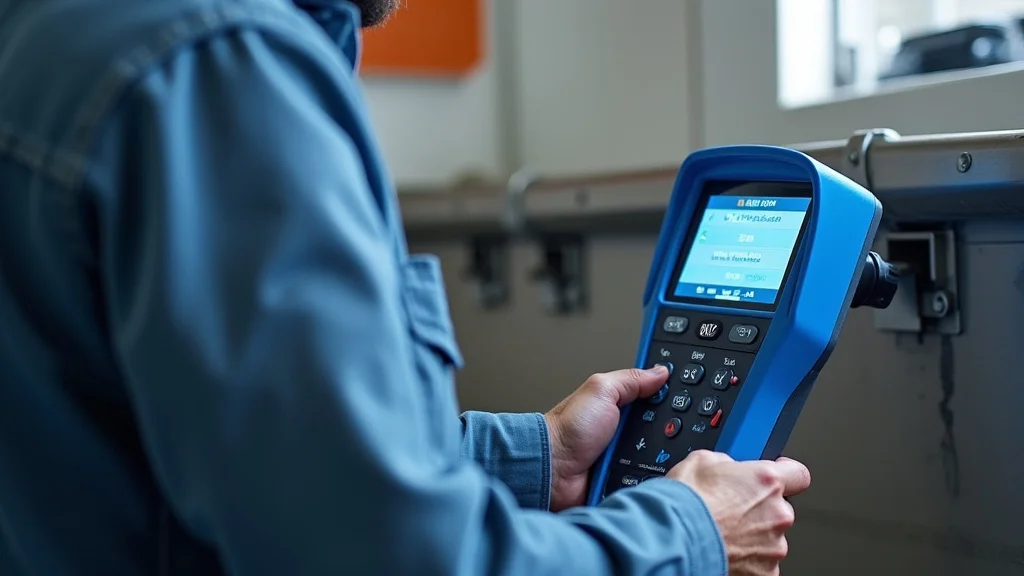
Ultrasonic leak detection systems usually consist of several key components that work in tandem to detect and pinpoint leaks. The main elements include a sensor or microphone, a preamplifier, a signal processor, and a display or output device. Each part plays a role in the function of the equipment, from capturing the ultrasonic sounds to converting them into a format that’s easy for the user to understand. The technology is designed to make sure leaks can be detected and managed quickly.
- Sensor/Microphone: The sensor, often a highly sensitive microphone, is the starting point for detecting the ultrasound signals. The sensor picks up the high-frequency sound waves generated by leaks. It is designed to be directional, meaning it can focus on specific areas. This feature helps narrow down the location of a leak. The sensor’s sensitivity is critical for detecting very small leaks, providing better performance in various conditions.
- Preamplifier: The signal received from the sensor is very weak, so it goes to a preamplifier. The preamplifier increases the signal strength before it goes to the signal processor. This is important because the preamplifier strengthens the subtle ultrasonic signals. By doing this, it helps filter out background noise, which may interfere with the detection of leaks.
- Signal Processor: The signal processor is the brain of the ultrasonic leak detection system. It takes the amplified signal from the preamplifier and processes it in several ways. The processor filters the signal to remove noise, converts the ultrasonic frequencies into a range that humans can hear, and often provides a visual representation of the leak’s intensity.
- Display/Output Device: The final stage of the equipment is the display or output device. This component shows the processed information to the user. This can be in the form of a visual display, an audible alarm, or even a connection to other devices.
The choice of a sensor is based on the specific application and the environment. Some sensors may be designed for use in harsh industrial settings. Others are made to be more sensitive to specific types of gases or liquids. Quality sensors ensure that even the tiniest leaks are detected, leading to a much more thorough assessment. The goal is to capture the ultrasonic waves as precisely as possible.
The quality of the preamplifier affects the accuracy and sensitivity of the entire system. A good preamplifier reduces noise and distortion while boosting the signal. This step ensures that the signal processor gets a clear and strong signal to analyze. Without a good preamplifier, faint leaks might go unnoticed, and that is why preamplifiers are important to a good system.
The signal processor uses advanced algorithms to analyze the incoming sound waves. The processor also translates the data into an easy-to-understand format. This could be a numeric reading, a graph, or an audio output, allowing the user to quickly identify the location and size of the leak. Some processors also have data storage capabilities, for keeping records of the readings taken.
The display helps users interpret the data and find the exact location of the leak. The type of display depends on the design of the equipment. It can range from a simple LED indicator showing leak intensity to a more advanced screen that provides data. The goal is to provide the user with clear and simple information.
How Ultrasonic Leak Detectors Work in Practice
The operation of ultrasonic leak detection equipment involves a step-by-step process, from sensing the leak’s ultrasonic sounds to displaying the results. A trained professional or technician typically uses the equipment. They begin by selecting the appropriate settings for their specific application, considering the type of gas or liquid being monitored and the environment. The technician will then aim the sensor towards suspected leak areas.
As the sensor picks up ultrasonic waves, the equipment processes them and provides an output. This could be an audible signal, a visual display, or both. The technician uses the intensity of the signal to find the source of the leak. A louder or more intense signal means a bigger leak. By moving the sensor around, the technician can pinpoint the exact location of the leak. This step is about precision and finding the source.
- Identifying Leak Areas: The first step involves looking for areas where leaks might happen. This could be joints, connections, valves, or pipes. Technicians use their knowledge of systems and the equipment to look for trouble spots.
- Scanning for Ultrasonic Signals: Using the equipment, the technician scans the selected areas. The technician aims the sensor at these locations. The equipment then picks up the sound waves generated by the leaks.
- Pinpointing the Leak Location: Once a leak is detected, the technician focuses on the area to find the exact location. This might require moving the sensor around, adjusting the settings, or using accessories to narrow down the source. The goal is to accurately identify the spot.
- Documenting and Reporting Findings: After locating the leak, the technician will usually document the findings. This might include the leak’s location, size, and any other important details. The data is often put in a report for repairs.
This process could involve visual inspections, checking for visible signs of damage, or looking for areas where the system is working at high pressure. Safety is important, so technicians always follow safe practices when working with high-pressure systems. The areas of focus are those where leaks are most likely to occur.
The equipment converts the ultrasound into an audible signal, so the technician can hear the leak. It also may show a visual display that shows the intensity of the leak. The technician moves the sensor around, focusing on areas with the loudest or most intense signals. This is about finding the highest point of the ultrasonic noise.
The technician will slowly move the sensor closer to the area where the leak is suspected. The technician will note any changes in the intensity of the signal. If the sound gets louder as they move closer, it means the leak is nearby. This part needs skill and focus because a small change in position can change the sound.
The technician may also take pictures or videos of the leak. This will provide further details. The report is often given to the repair team, so they can use this information to fix the leak. Proper documentation is a way of ensuring that repairs are done correctly and that the systems are working at their best.
Industries Utilizing Ultrasonic Leak Detection
Ultrasonic leak detection equipment is a versatile technology used across a wide variety of industries. Its ability to detect leaks without the need for visual inspection makes it valuable in almost any setting. From manufacturing facilities to office buildings, the ability to rapidly identify leaks saves time and money. The equipment helps lower operational costs by finding and fixing leaks that might otherwise go unnoticed.
Each industry brings its specific demands and applications. The common goal is to keep systems efficient and safe. In the manufacturing sector, detecting leaks in compressed air systems helps reduce energy waste and maintain productivity. In the automotive industry, checking for leaks in braking systems and air conditioning units ensures that products meet the highest safety standards. This kind of versatility makes this equipment a valuable tool in several markets.
Manufacturing
The manufacturing sector benefits greatly from ultrasonic leak detection equipment. Many plants have large compressed air systems used to power various tools, machines, and processes. Leaks in these systems lead to energy loss, which means increased operational costs. By using this equipment to find and fix leaks, manufacturers can lower their energy consumption and make savings.
The equipment helps to find leaks in pipes, fittings, and other connections, making it a key element in maintenance operations. Quick leak detection results in reduced downtime and fewer disruptions to production. By using it to check for leaks, manufacturers can make their processes more reliable, which leads to better efficiency and cost savings.
- Compressed Air Systems: Compressed air is a key resource for powering tools and machinery in many factories. The equipment helps find leaks in pipes, joints, and fittings. By finding and fixing these leaks, plants can reduce energy costs and improve the efficiency of their operations.
- Gas and Fluid Systems: Manufacturing facilities also handle many different types of gases and fluids. The equipment is useful for finding leaks in these systems, preventing the escape of dangerous materials, and protecting the environment. This helps to reduce risks and ensure safety.
- Preventive Maintenance: The equipment is also used in preventive maintenance programs. Regular inspections can detect minor leaks before they become major problems. This allows manufacturers to do repairs on a schedule. This lowers the chance of sudden failures and helps reduce downtime.
Leaks in compressed air systems can go unnoticed for extended periods. This results in considerable energy losses. Regular use of this equipment can prevent these losses. The equipment makes it easy to monitor and maintain the integrity of compressed air systems, making sure that they work at their best.
Leaks of hazardous gases or fluids can cause a safety risk and pose significant environmental problems. By using this technology, manufacturers can quickly find and fix leaks, preventing dangerous situations and making sure they follow regulatory rules. This promotes safety and environmental responsibility.
Preventive maintenance saves money and extends the life of systems. The equipment makes it easy to monitor equipment, giving early warning of problems. This approach lets manufacturers take care of issues when they’re small, which protects their operations and keeps costs low.
HVAC and Plumbing
In HVAC (Heating, Ventilation, and Air Conditioning) and plumbing applications, ultrasonic leak detection equipment plays a key role in ensuring that systems work correctly. Leaks in these systems can lead to energy waste, poor performance, and possibly structural damage. The technology enables the quick location of leaks in pipes, joints, and ductwork, allowing prompt repairs.
The ability to find leaks without the need for a full system shutdown makes this equipment particularly useful. This also lowers the expense and disruption. By discovering leaks early on, service providers can avoid expensive problems and keep systems working efficiently. The equipment is a tool for preserving the comfort and efficiency of residential and commercial buildings.
- Refrigerant Leaks: HVAC systems contain refrigerants, which are important for cooling. Leaks can cause cooling problems and environmental damage. The equipment is used to find leaks in refrigerant lines, coils, and connections, making sure the systems work properly.
- Water Leaks: In plumbing systems, water leaks are a serious issue. Leaks can waste water, cause damage, and cause mold problems. The equipment helps to find leaks in pipes, drains, and fittings, which protects property and prevents damage.
- Ductwork Leaks: Leaks in ductwork can reduce the efficiency of HVAC systems. This makes the systems work harder and uses more energy. The equipment is useful for finding leaks in air ducts, helping to ensure the proper distribution of air.
Refrigerant leaks not only affect the operation of HVAC systems but also contribute to environmental concerns. The equipment can quickly identify small leaks, allowing technicians to fix problems before they become critical. This helps preserve system efficiency and reduces the release of refrigerants.
Water leaks, especially those that happen under floors or behind walls, can be difficult to find. The equipment is effective in pinpointing the location of leaks, often without the need for destructive investigation. By discovering and fixing leaks quickly, technicians can prevent costly repairs.
Air leaks in ductwork lead to energy waste. This makes the systems less effective at heating or cooling. The equipment helps technicians find and fix leaks, which helps to improve system efficiency and reduces energy costs. This will ensure that comfort levels are at the right level.
Automotive
The automotive industry makes use of ultrasonic leak detection equipment to ensure the proper function and safety of vehicles. The equipment aids in finding leaks in important systems, such as braking, air conditioning, and pneumatic systems. The technology improves vehicle performance and meets safety standards.
The capability to detect small leaks efficiently is a huge benefit in the automotive sector. This helps to avoid expensive repairs and improve customer satisfaction. It plays a part in both manufacturing and maintenance, helping to find problems quickly and maintaining the high-quality standards required in the automotive industry.
- Brake System Leaks: Brake systems are vital for vehicle safety. Leaks in brake lines and cylinders are dangerous. The equipment is used to find these leaks quickly. This makes sure that the brakes function properly.
- Air Conditioning Leaks: Air conditioning systems use refrigerants that can leak. Leaks affect the system’s ability to cool, and they may be dangerous for the environment. The equipment is effective in finding leaks in these systems, helping to protect performance.
- Pneumatic System Leaks: In vehicles with air suspension or other pneumatic systems, leaks can affect the system’s function. The equipment is useful for finding these leaks, making sure that the systems are working properly.
Brake fluid leaks can have a serious impact on a vehicle’s braking capability. The equipment lets technicians identify these leaks, allowing them to make repairs and improve vehicle safety. This is a key part of regular maintenance and is important for the safety of drivers.
Refrigerant leaks can cause performance problems and environmental damage. The equipment helps technicians find leaks in AC systems, which allows them to fix the problem promptly. This protects the environment and guarantees that customers stay cool.
Pneumatic system leaks can cause several issues, including the failure of air suspension systems. The equipment lets technicians find and fix these leaks, so the vehicle can perform well. This helps maintain ride comfort and overall vehicle performance.
Selecting the Right Ultrasonic Leak Detection Equipment
Choosing the right ultrasonic leak detection equipment involves evaluating your specific needs, the environments where you’ll be working, and your budget. Understanding the different features, specifications, and accessories is essential to make sure you select the most effective equipment. Making the right choice will help you to perform thorough leak detections and achieve better outcomes.
Factors include the sensitivity of the equipment, the frequency range, and any special features that are available. Also, the equipment’s ease of use and durability are also significant factors. By considering these key elements, you can buy equipment that will fit your professional needs and boost your ability to find and address leaks effectively.
Key Features to Consider
To choose the best ultrasonic leak detection equipment, consider these important features: sensitivity, frequency range, and ease of use. These qualities affect the equipment’s effectiveness and its capability to locate leaks in different situations. Recognizing these features helps you make a choice that will enhance the leak detection process, leading to improved outcomes.
- Sensitivity: The equipment’s sensitivity determines its ability to detect small leaks. Higher sensitivity equipment can detect tiny leaks. This improves the chance of discovering issues before they get worse.
- Frequency Range: The ultrasonic leak detector’s frequency range should align with the sounds it will detect. A wider range makes the equipment more versatile and better at detecting different types of leaks.
- Ease of Use: The equipment should be easy to understand and use. User-friendly designs and clear interfaces help technicians find leaks with greater accuracy. This improves efficiency and cuts down on errors.
The sensitivity level should be matched to the range of leak sizes you expect to find. For example, in situations where small leaks are a major problem, equipment with greater sensitivity is required. In less critical applications, equipment with less sensitivity may be suitable. Sensitivity ensures early detection and reduces energy and resource waste.
Different gases and liquids can generate ultrasonic sounds across different frequency ranges. Equipment with a flexible frequency range makes it possible to detect several kinds of leaks in different settings. This means that the equipment will still be useful for more applications.
User-friendly equipment reduces the learning curve and enables quick deployment in the field. Equipment that’s easy to use will help technicians work more quickly and correctly. Clear displays, simple controls, and easy-to-read readings will improve efficiency and user satisfaction.
Additional Factors
Besides the main features, additional factors are important when choosing ultrasonic leak detection equipment. Consider durability, portability, and any extra features. Understanding these aspects helps you choose equipment that fits your specific needs and is the best value.
- Durability: Select equipment that can withstand the demands of the working environment. Sturdy equipment lasts longer and performs better.
- Portability: The equipment should be easily portable, especially when working in many different locations. Compact and lightweight designs improve efficiency and allow you to access hard-to-reach areas.
- Accessories: Some equipment comes with extra accessories, such as headphones, parabolic reflectors, and contact probes. These accessories help increase the equipment’s functionality and accuracy.
In industrial settings or harsh conditions, durability is essential. Look for equipment made of sturdy materials, as this will resist damage and guarantee that the equipment is operational over time. Robustness is crucial for dependable use.
Portable equipment improves convenience and mobility. Lightweight equipment lets technicians easily move to various sites. Consider equipment that’s easy to store and transport. Good portability improves efficiency and lowers the need for complex preparations.
Extra accessories will improve the equipment’s versatility. Headphones allow the user to detect leaks in noisy locations. Parabolic reflectors increase sensitivity and let the user focus on the source. Contact probes are useful in tight spaces. Choose equipment that offers a range of accessories to meet varied application needs.
Comparing Models: Example Table
To better understand the differences between several models of ultrasonic leak detection equipment, let’s look at a comparative table. This can help with your decision-making process.
| Model | Sensitivity | Frequency Range | Portability | Accessories | Price Range |
|---|---|---|---|---|---|
| Model A | High | 20 kHz – 100 kHz | Excellent | Headphones, Contact Probe | $1,500 – $2,000 |
| Model B | Medium | 30 kHz – 80 kHz | Good | Headphones | $1,000 – $1,500 |
| Model C | High | 25 kHz – 90 kHz | Good | Parabolic Reflector, Headphones, Contact Probe | $2,000 – $2,500 |
Common Myths Debunked
Myth 1: Ultrasonic leak detection equipment can find all types of leaks.
Reality: While ultrasonic leak detection equipment is extremely effective, it’s not a universal solution for all leaks. The equipment excels at detecting leaks that produce ultrasonic sounds, but it might not be suitable for all situations. Leaks that don’t generate these sounds or are in completely sealed systems might require other types of leak detection methods. Ultrasonic equipment works best when there is a pressure differential and a path for the leaking gas or liquid to escape.
Myth 2: Higher-priced equipment always provides better results.
Reality: Cost isn’t always the best measure of performance. While more costly equipment may include better features and increased sensitivity, the effectiveness also depends on your specific needs. The best equipment is the one that best suits your application and budget. It is vital to assess your requirements and buy equipment that has the right features for your needs.
Myth 3: Ultrasonic leak detection is complicated and requires a lot of training.
Reality: Modern ultrasonic leak detection equipment is built for ease of use. While a general understanding of the technology is helpful, operating the equipment is simple. Basic models are easy to understand, and more complex models are created with user-friendly interfaces. Basic training and instructions will allow someone to use the equipment effectively.
Myth 4: You can’t detect leaks in noisy environments using ultrasonic leak detectors.
Reality: While external noise can affect leak detection, ultrasonic equipment is designed to minimize its effects. Many models have filters and noise reduction technology. By using headphones or other isolation equipment, it is possible to find leaks in noisy settings. These features help to improve accuracy.
Myth 5: Ultrasonic leak detection can only find big leaks.
Reality: Ultrasonic leak detection equipment is able to detect both small and large leaks. The sensitivity of the equipment plays a key role. Highly sensitive models are able to detect very small leaks. Routine inspections and using appropriate equipment can identify even the smallest leaks, which is useful in saving money and improving the efficiency of the systems.
Frequently Asked Questions
Question: How often should I use ultrasonic leak detection equipment?
Answer: The frequency of inspections depends on several factors, including the type of system and its environment. Regular inspections, like monthly or quarterly, are usually recommended for critical systems. Systems that operate in harsh environments may need inspections more often.
Question: What safety precautions should be followed when using this equipment?
Answer: Always follow the safety guidelines relevant to the system being inspected. Wear appropriate personal protective equipment (PPE), like safety glasses. When working with high-pressure systems, make sure you release the pressure before commencing inspection.
Question: Can this equipment detect leaks through walls or underground?
Answer: The equipment works best when the sensor can be aimed directly at the area of the suspected leak. While it may sometimes detect leaks through walls or underground, it is less effective. In such instances, you might need to use techniques to narrow the focus and maximize signal reception.
Question: How do I maintain and care for ultrasonic leak detection equipment?
Answer: To keep the equipment working properly, clean the sensor and other parts according to the instructions. Store the equipment in a dry, safe location. Regularly check the batteries and replace them as needed. Get professional maintenance if the equipment becomes damaged or does not work correctly.
Question: Are there any limitations to using this equipment?
Answer: The equipment works best when there is a pressure difference between the inside and outside of the system. In some cases, such as very small or sealed systems, you may not be able to identify the leaks. The environment may affect the operation, and some noise will make finding leaks harder.
Final Thoughts
Ultrasonic leak detection equipment offers a powerful way to find leaks in various industries. By understanding the technology and its components, you can more easily find and fix leaks quickly. The equipment is useful in many fields, including manufacturing, HVAC, plumbing, and the automotive sector. When you select the correct equipment, think about its sensitivity, frequency range, and portability. The equipment helps cut operational expenses by preventing energy loss and system malfunctions.
Use the information provided to make educated choices about your equipment. Learn how to use it for routine inspections and preventive maintenance. This will not only preserve your equipment but also help you cut costs and reduce problems. By using ultrasonic leak detection equipment, you’re investing in system performance and reliability. Embrace the technology, and start finding leaks quickly and effectively today.