
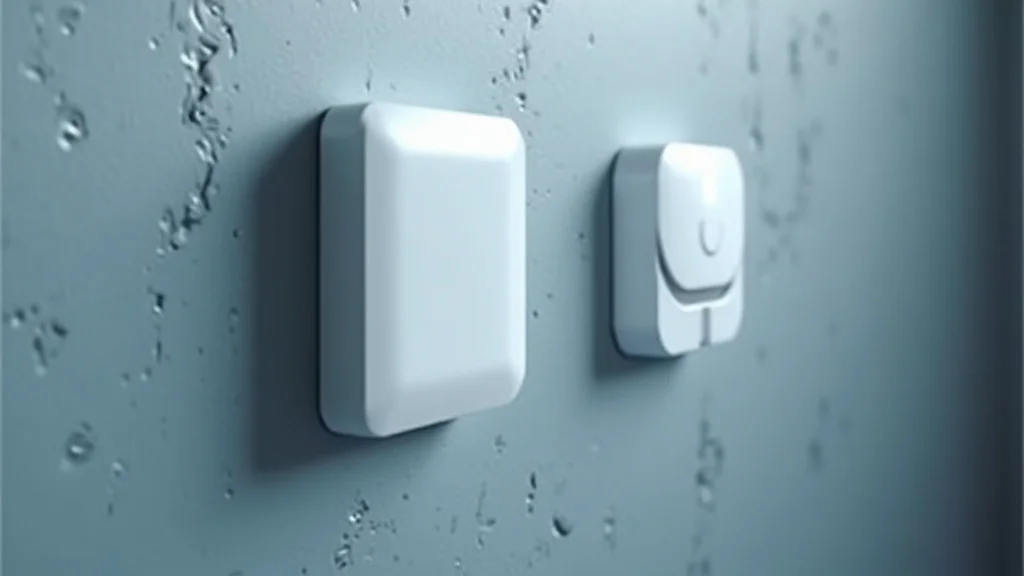
Water Leak Detection with Smart Sensors: Your Guide
Picture this: You come home after a long day to find a flooded kitchen. Water has been steadily leaking from a hidden pipe, causing thousands of dollars in damage. This scenario, unfortunately, is more common than you might think. But there’s good news! Modern sensors to detect water leaks are here to help prevent such disasters. This post will explore how these ingenious devices work, the different types available, and how they can save you time, money, and a whole lot of stress. You’ll gain a thorough picture of water leak detection and learn how to safeguard your property. This post will improve your knowledge of home protection and reduce your concern about water damage.
Key Takeaways
- Water leak detection sensors use various technologies to identify the presence of water.
- Different types of sensors are available, including those that detect water on surfaces and those that monitor flow.
- Smart sensors can send alerts to your phone, enabling immediate action.
- Installation is generally simple, with many options for both DIY and professional setups.
- These sensors can save you money by preventing costly water damage repairs.
- Regular maintenance ensures optimal performance of your leak detection system.
Understanding Water Leak Detection
Water leaks, often unseen, can cause significant damage to homes and businesses, leading to mold growth, structural issues, and high repair bills. Traditional methods of detecting leaks, such as visual inspections, are often reactive and may only discover the problem after substantial damage has occurred. Sensors to detect water leaks, however, offer a proactive solution, providing early warnings and allowing for swift intervention.
How Water Sensors Work
The core function of water sensors is to identify the presence of water where it shouldn’t be. This is typically achieved through a variety of technologies. Some sensors use conductive probes that complete a circuit when water bridges the gap between them, triggering an alarm. Others employ moisture sensors that detect changes in humidity levels, indicating potential leaks. Advanced sensors utilize flow sensors to monitor water usage and detect anomalies that could signal a leak.
- Conductive Sensors: These sensors have two metal probes. When water makes contact with both probes, it completes an electrical circuit, triggering an alert. This is a simple and effective method for detecting standing water.
- Moisture Sensors: These sensors detect changes in humidity. They are placed in areas prone to leaks, such as under sinks or near washing machines. A sudden increase in humidity triggers an alarm, signaling a potential leak.
- Flow Sensors: These sensors measure the flow rate of water through pipes. Any unusual spikes or dips in flow, especially when water usage is expected to be low (e.g., at night), can indicate a leak.
- Ultrasonic Sensors: These sensors use ultrasonic sound waves to detect leaks. They measure the time it takes for the waves to travel through the air and bounce back. A change in the time indicates a leak.
These various sensors are designed to provide early warnings of water leaks, minimizing the potential for damage. Selecting the right type of sensor depends on the specific needs of the property and the types of leaks it is most susceptible to.
Types of Water Leak Sensors
There are numerous types of water leak sensors available, each with its own advantages and ideal applications. The choice depends on where you want to place them and the level of functionality you require. Some sensors are basic, while others are smart and connected. Understanding the different types helps you choose the best fit for your needs.
- Point Water Leak Sensors: These sensors are designed to detect water in a specific location. They are typically placed on the floor near potential leak sources, such as under sinks, near water heaters, or next to washing machines. They are triggered when they come into direct contact with water.
- Flood Sensors: Similar to point sensors, flood sensors are meant to detect standing water. They often have multiple contact points or a probe that sits on the floor to maximize the detection area.
- Water Flow Sensors: These sensors are installed in water pipes and measure the flow of water. They monitor for unusual flow patterns, such as a continuous flow when no water is being used, indicating a possible leak.
- Smart Water Leak Sensors: These sensors connect to your home’s Wi-Fi network and send alerts to your smartphone or tablet. They provide real-time information and allow you to monitor your property remotely. Many also offer features like leak history tracking.
- Whole-House Water Leak Detection Systems: These comprehensive systems monitor water usage throughout the entire house and can shut off the water supply automatically if a leak is detected. They often include multiple sensors and a central control unit.
The selection of the right sensor type should be based on your specific needs, the location of potential leak sources, and the desired level of protection. Consider the size of your property, your budget, and whether you prefer a simple, standalone device or a more advanced, connected system.
Choosing the Right Sensors for Your Home
Choosing the right sensors to detect water leaks involves several considerations, including the areas you want to protect, the features you desire, and your budget. Selecting the right sensors can significantly reduce the potential for water damage and save you money in the long run. Factors such as ease of installation, the type of alerts you want to receive, and the overall system compatibility should also influence your choice.
Placement and Coverage
Proper placement of sensors is important for effective leak detection. Consider areas in your home that are prone to leaks, such as bathrooms, kitchens, laundry rooms, and basements. The number of sensors required will vary based on the size of the house and the potential risk areas. Strategically placing sensors can help identify leaks before they cause significant damage. Prioritize locations near appliances, pipes, and areas with a history of water issues.
- Bathrooms: Place sensors near toilets, sinks, and bathtubs.
- Kitchens: Position sensors under sinks, near dishwashers, and refrigerators with water dispensers.
- Laundry Rooms: Install sensors near washing machines and water heaters.
- Basements: Place sensors near pipes, water heaters, and sump pumps.
- Attics: Consider placing sensors near air conditioning units and water tanks.
By strategically placing sensors, you can create a comprehensive detection system that maximizes the chances of catching leaks early.
Features and Functionality
Different sensors offer a range of features, from simple water detection to advanced functionalities. Smart sensors typically provide instant alerts, remote monitoring, and water usage tracking. Selecting a sensor with the right features helps to ensure you receive timely notifications and can quickly address any water issues. Other useful features include long battery life, integration with other smart home devices, and historical data logging.
- Alert Notifications: Look for sensors that send alerts to your smartphone, email, or other communication channels, allowing for prompt responses to potential leaks.
- Remote Monitoring: Choose sensors that allow you to monitor your home’s water usage and receive alerts from anywhere, providing peace of mind when you are away.
- Connectivity: Ensure the sensor integrates seamlessly with your existing smart home setup, if applicable, for easy control and integration.
- Battery Life: Select sensors with long battery life to minimize the frequency of battery changes and ensure reliable operation.
- Water Shut-off Capability: Some advanced sensors can automatically shut off the water supply when a leak is detected, minimizing potential damage.
When choosing a sensor, it is important to understand the features and choose one that meets your specific needs. The goal is to select a sensor that will promptly alert you to any water leaks so you can take action before damage occurs.
Cost and Installation
Water leak sensors vary widely in price, from affordable, simple models to more expensive, comprehensive systems. Installation options also differ; some are simple to set up yourself, while others may require professional assistance. Careful consideration of costs and installation requirements ensures that you get the best value and protection for your home.
- Cost Comparison: Compare the prices of different sensors and systems, considering factors such as features, coverage area, and brand reputation.
- DIY vs. Professional Installation: Determine whether you’re comfortable installing the sensors yourself or if professional installation is necessary.
- Ongoing Costs: Factor in any subscription fees, battery replacement costs, or maintenance requirements.
- Value for Money: Evaluate the overall value of each system in terms of the protection it offers, the features it provides, and its long-term cost of ownership.
- Professional Advice: Consult with a plumber or home inspector to get insights on appropriate sensor placement and installation in your specific situation.
Evaluating the cost and installation options helps you to select a water leak detection system that meets your budget, provides comprehensive protection, and offers ease of use.
Real-Life Examples and Case Studies
Real-life examples can illustrate the effectiveness of sensors to detect water leaks and the significant benefits they provide. These examples show how such sensors saved homeowners time, money, and stress.
- Case Study 1: The Burst Pipe
A homeowner installed a smart water leak detection system that included sensors near their water heater and washing machine. One evening, a pipe in the wall burst behind the water heater. The system immediately detected the leak and sent an alert to the homeowner’s smartphone. They were able to shut off the water supply remotely and call a plumber before significant damage occurred. The quick response saved them thousands of dollars in repairs and prevented mold growth. - Case Study 2: Hidden Leak in a Rental Property
A property manager used water sensors in multiple rental units. In one unit, a sensor under the kitchen sink detected a slow drip from a faucet that was barely noticeable. The sensor alerted the manager, who promptly repaired the faucet. By catching the leak early, they prevented potential water damage to the cabinets and flooring, saving on costly repairs and tenant issues.
These case studies show how crucial water leak detection sensors are in preventing water damage. They offer peace of mind by providing early warnings, enabling fast action to mitigate damage.
Maintaining Your Water Leak Detection System
Regular maintenance ensures that your sensors to detect water leaks function correctly and provide reliable protection. Proper maintenance includes battery checks, sensor cleaning, and system testing. Routine maintenance ensures that your system remains effective in detecting potential water issues. Consistent care helps extend the life of your equipment and protects your home.
Battery Checks and Replacement
The batteries in your water leak sensors are essential for their operation. Regular battery checks and replacements are important to ensure your sensors continue to function properly. Replacing the batteries according to the manufacturer’s recommendations is critical for uninterrupted protection.
- Check the Batteries: Conduct routine checks to make sure the batteries are functioning and are not nearing the end of their life.
- Replace Batteries: Keep spare batteries on hand and replace them promptly when the system indicates low battery levels. Follow the manufacturer’s instructions for the correct battery type.
- Test the Sensors: After changing the batteries, test the sensors to confirm that they are functioning correctly and can detect water.
- Battery Type: Use the correct type of batteries recommended by the manufacturer. Using the wrong type can impair the performance of your sensors.
- Record Keeping: Maintain a log of battery replacement dates to help you keep track of the maintenance schedule.
Battery maintenance is a simple task that ensures your water leak detection system remains operational.
Cleaning and Testing
Cleaning and testing your water leak sensors is another important aspect of system maintenance. Regular cleaning keeps the sensors free from debris that could interfere with their ability to detect water. Testing the sensors ensures that they will provide alerts when needed. These maintenance practices guarantee the sensors are ready to work when you need them.
- Sensor Cleaning: Gently clean the sensors with a dry cloth or a soft brush to remove dust and debris. Do not use cleaning solutions that could damage the sensors.
- Testing Procedures: Follow the manufacturer’s instructions for testing your sensors. This may involve simulated water contact or a system test that confirms the sensors are communicating properly.
- Frequency: Test and clean the sensors at least every six months. More frequent maintenance may be needed depending on the location of the sensors and the conditions in your home.
- Alert Checks: During testing, confirm that the system sends alerts to your preferred communication channels.
- Troubleshooting: If the sensors fail the tests, consult the manufacturer’s troubleshooting guide or contact customer support for assistance.
These maintenance steps ensure your water leak detection system will remain ready to safeguard your home against water damage.
Common Myths Debunked
There are several common misconceptions regarding sensors to detect water leaks. Addressing these myths clarifies the benefits of the technology and promotes a better understanding of how these sensors work. Debunking these common beliefs ensures people have accurate knowledge of how water leak detectors function.
Myth 1: Water Leak Sensors Are Only for Old Homes
The Reality: Water leaks can happen in any home, regardless of its age. Although older homes may be more susceptible to certain types of leaks due to aging pipes, new homes are not immune to issues like appliance failures, burst pipes, and unexpected floods. Water leak sensors are valuable protection for homes of all ages.
Myth 2: These Sensors Are Difficult to Install
The Reality: Many water leak sensors are designed for easy installation, often requiring no tools or professional assistance. Simple, standalone sensors are frequently placed on the floor near potential leak sources. Smart sensors frequently offer easy connectivity to your home Wi-Fi network. Installation typically involves just placing the sensors in strategic locations and connecting them to your network. More advanced systems may require professional installation, but a range of DIY options exist to provide homeowners with accessible water protection.
Myth 3: Water Leak Sensors Are Expensive
The Reality: The cost of water leak sensors varies, with options available at various price points. Affordable models offer basic water detection, while advanced systems provide more features. The cost of a water leak sensor is often a small investment compared to the potential expense of water damage repairs. Over the life of your home, the savings from preventing a single leak can far exceed the initial cost of the sensors.
Myth 4: A Visual Inspection Is Enough
The Reality: While visual inspections are helpful, they are not always sufficient to identify all water leaks. Many leaks occur in hidden areas, such as inside walls, under floors, and within appliances, making them difficult to detect. Water leak sensors offer a proactive way to catch leaks early. The alerts they provide allow homeowners to address issues before they cause significant damage, such as mold growth or structural problems.
Myth 5: All Water Leak Detectors Are the Same
The Reality: Water leak detectors come in various types, each with its own benefits. Basic point sensors detect water contact, while smart sensors offer additional features such as remote monitoring and water usage tracking. Some systems also include water shut-off capabilities, adding an extra layer of protection. Understanding the different sensor types allows you to select the best choice for your needs. The proper choice of detector can significantly enhance your home’s protection against water damage.
Frequently Asked Questions
Question: How do I choose the right water leak sensor?
Answer: Consider the areas you want to protect, the features you desire (e.g., alerts, remote monitoring), and your budget. Evaluate the type of leaks you’re most concerned about and choose a sensor that aligns with your needs.
Question: How often should I test my water leak sensors?
Answer: Test your sensors at least every six months. Follow the manufacturer’s instructions for testing procedures.
Question: Can water leak sensors prevent all water damage?
Answer: While water leak sensors significantly reduce the risk of damage, they cannot prevent all possible problems. However, they provide early warnings that allow for prompt action.
Question: What is the average lifespan of a water leak sensor?
Answer: The lifespan varies based on the quality of the sensor and usage. However, many sensors can last five to ten years with proper care and maintenance.
Question: Can I install water leak sensors myself?
Answer: Yes, many sensors are designed for easy, DIY installation. Follow the manufacturer’s instructions for setting them up.
Final Thoughts
Sensors to detect water leaks are a smart investment for any homeowner or property manager. They offer a proactive approach to protecting your home from potentially costly and damaging water leaks. By understanding how these sensors work, the different types available, and how to properly choose and maintain them, you can safeguard your property and enjoy peace of mind. Remember to consider your home’s unique needs when choosing your system. Regularly check batteries, clean the sensors, and test the system. Take action immediately when you get an alert. These steps will ensure your investment continues to protect your home. Investing in water leak detection is a good move for your property. Take the step to protect your home today!